+86-563-4308666

 Eng
Eng
 Español
 Français

Short Description
This tag covers our alumina ceramic liner plates, wear tiles and ceramic-lined piping, a more specialized product line intended for applications where sliding abrasion, rather than heavy impact, is the main wear mechanism. Buyers researching this category are often dealing with chute, hopper or pipeline wear that standard steel liners are struggling to withstand, or they're specifically trying to reduce equipment weight without sacrificing wear resistance.
Ceramic wear materials are not a universal replacement for metal wear parts, and we're upfront about that during the quoting process, since ceramic performs best under sliding and low-impact abrasive conditions rather than heavy impact loading where it can crack or fracture. We supply 92%, 95% and 99% alumina content options, bonded to steel or rubber backing depending on the installation method, and we typically discuss the specific wear pattern involved before recommending ceramic over a metal alternative.
Buyers new to sourcing ceramic wear resistant materials directly from a factory often start with a smaller trial order, and we're happy to work that way rather than pushing straight to a full container commitment. Once wear performance has been verified on your own equipment, moving to a standard recurring order tends to be a much easier decision for both sides.
Introduction
Ceramic wear materials are a bit of a specialty product line for us, mainly used where standard metal wear parts wear out too quickly, or where equipment weight is a genuine operational concern, such as elevated chutes or conveyor transfer points where structural loading matters. We supply high alumina ceramic liner plates, wear tiles and ceramic-lined pipe sections, typically in 92% or 95% alumina content, bonded to a steel or rubber backing depending on the installation method needed for a particular application.
Ceramic wear parts tend to be a better fit for sliding and low-impact abrasive wear rather than heavy impact loading, so we usually walk customers through their wear pattern before recommending ceramic versus a metal alternative, since installing ceramic in a high impact zone typically leads to premature cracking and a disappointing result. Understanding exactly where and how a component wears is the first step in almost every ceramic liner conversation we have with a new customer.
Bonding method is another decision point that affects both performance and installation approach. Rubber-bonded ceramic tiles offer some flexibility and impact absorption, epoxy-bonded tiles provide a more rigid, precisely fitted surface, and castable ceramic-metal composite options work well for complex or curved geometries like cyclone bodies where a flat tile pattern would be difficult to install cleanly.
Application
Ceramic wear materials are typically specified for applications where sliding abrasion, contamination control, or equipment weight are the primary concerns:
- Chute and hopper linings in mining and cement plants, particularly at transfer points where material slides rather than impacts the surface directly
- Pipeline wear protection for slurry and pneumatic conveying systems, where continuous material flow creates steady abrasive wear along the pipe wall
- Cyclone and separator wear linings, where centrifugal separation creates concentrated wear zones that benefit from ceramic's high abrasion resistance
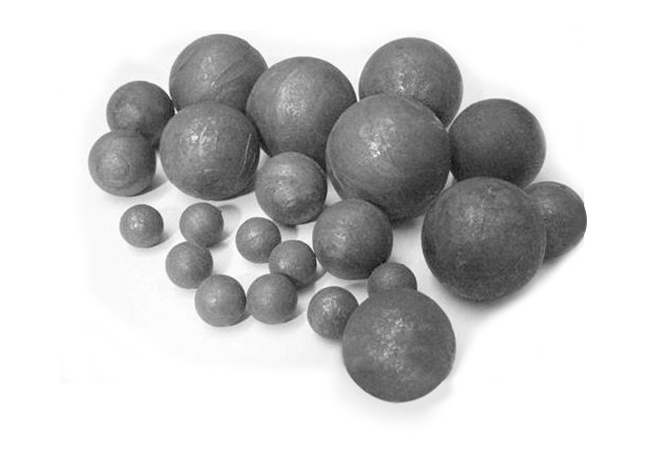
- Fine grinding applications requiring low-contamination media, since ceramic grinding balls avoid the iron pickup associated with steel grinding media
- Elevated or structurally sensitive equipment where reducing liner weight compared to thick steel plate is an operational priority
- Chemical processing applications where corrosion resistance alongside abrasion resistance is required, since ceramic is largely inert to most process chemicals
- Ongoing supply arrangements for operations that prefer a stable, recurring order schedule rather than renegotiating terms on every purchase
- Situations where a previous supplier's inconsistent quality or unreliable lead times prompted the search for a more dependable manufacturing partner
If your specific situation is not listed above, it is still worth reaching out, since many of the wear challenges we solve for ceramic wear resistant materials do not map neatly onto a fixed list of industries or equipment types, and our team can usually tell fairly quickly whether this product line is a good fit once we understand your equipment and material.