Home / Products / Ball Mill Liner
About ZXGB
Company Profile

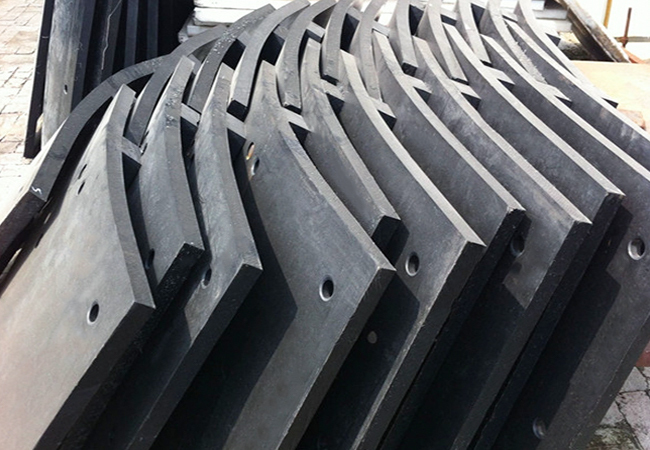
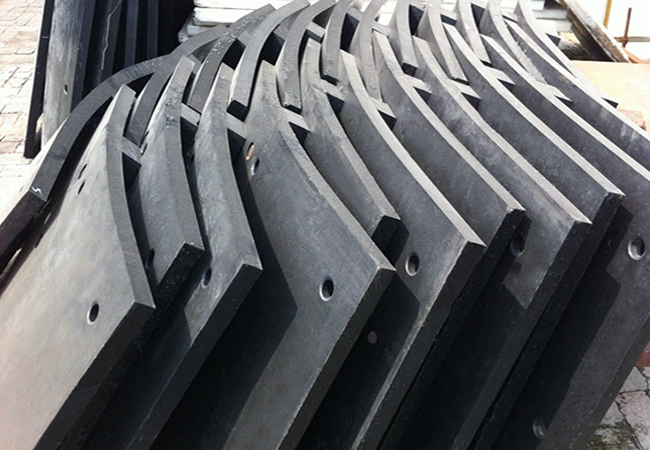
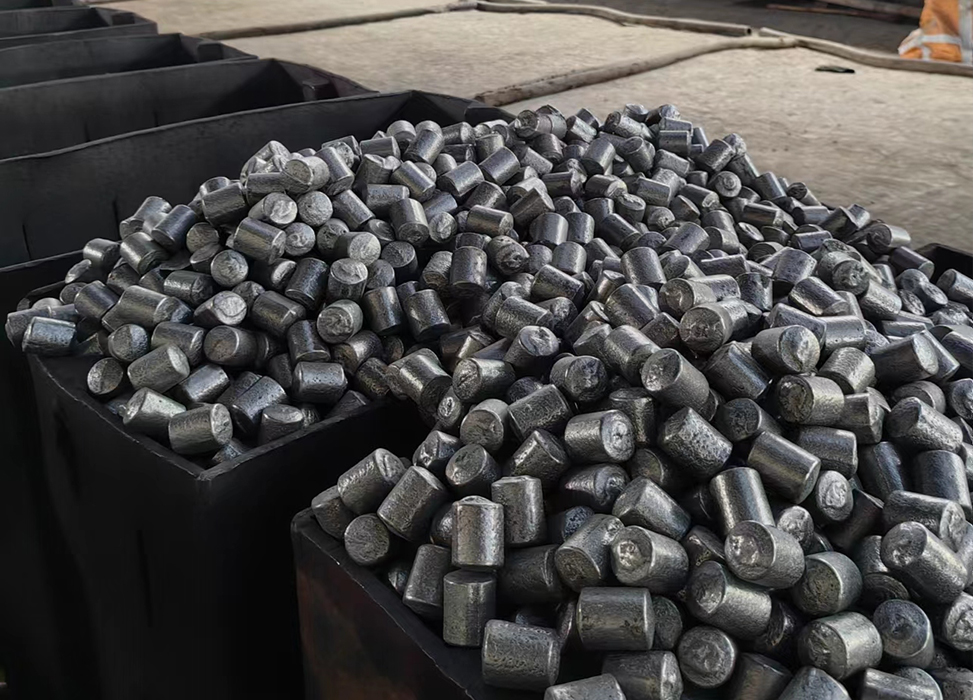
Our company is an integrated enterprise engaged in scientific research, development, and manufacturing, primarily producing steel balls, abrasives, forged abrasives, and other abrasive tools. Ball Mill Liner Manufacturers and Ball Mill Liner Plate Factory in China.

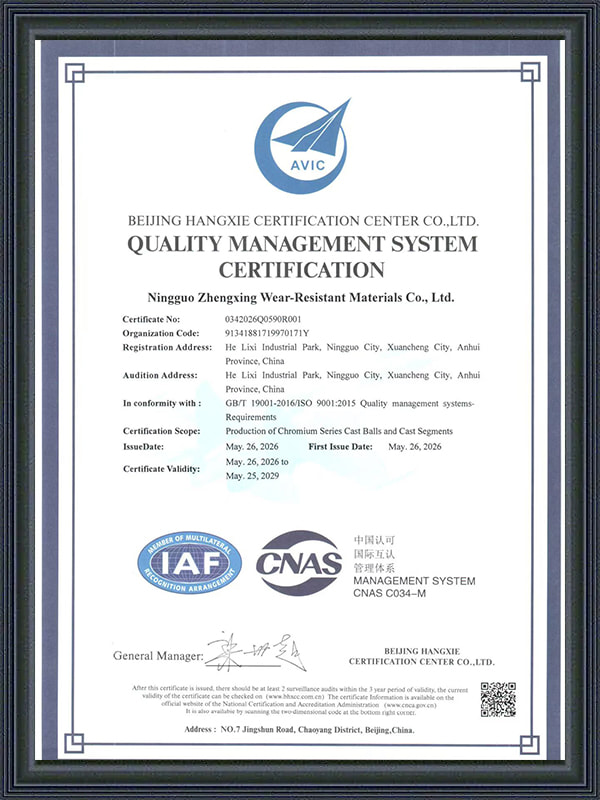
Passed the ISO9001 quality management system certification, and the entire process of inspection from raw material procurement to finished products leaving the factory. First-class production process design and program control make each batch of products more stable and traceable, and obtain efficient production control; each batch of products is strictly monitored in accordance with supplier's indicators.

Improve product performance through precision casting, forging, heat treatment and other processes, reduce internal defects and wear rates, extend service life, reduce customer replacement frequency, and save comprehensive costs. Supply Custom Wear-resistant Lining Plate.

We have long-term cooperation with large domestic and foreign mines, cement groups and power plants to accumulate successful cases.
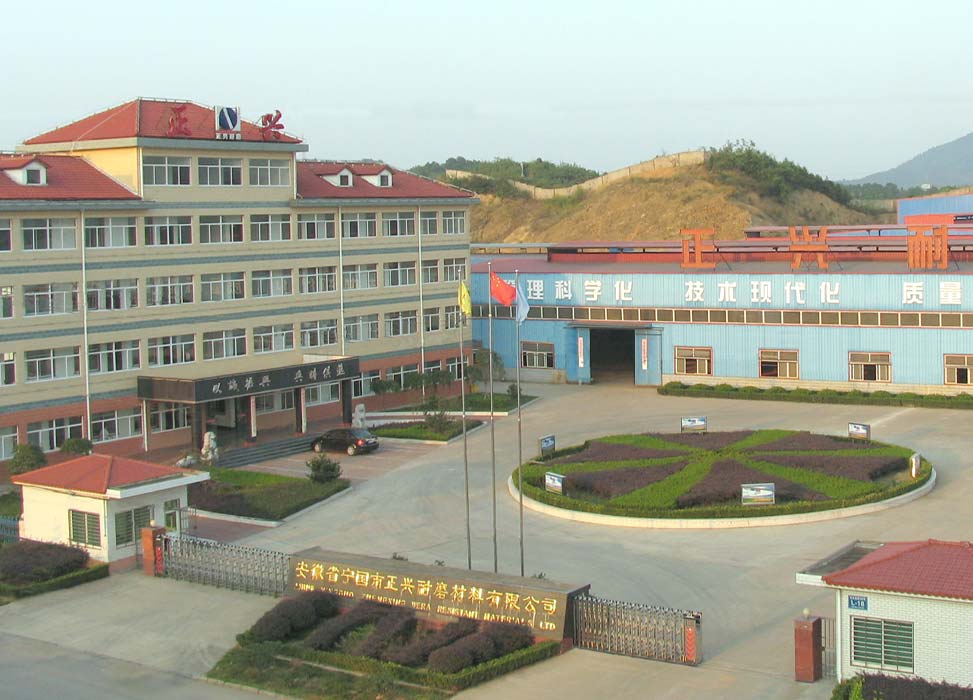
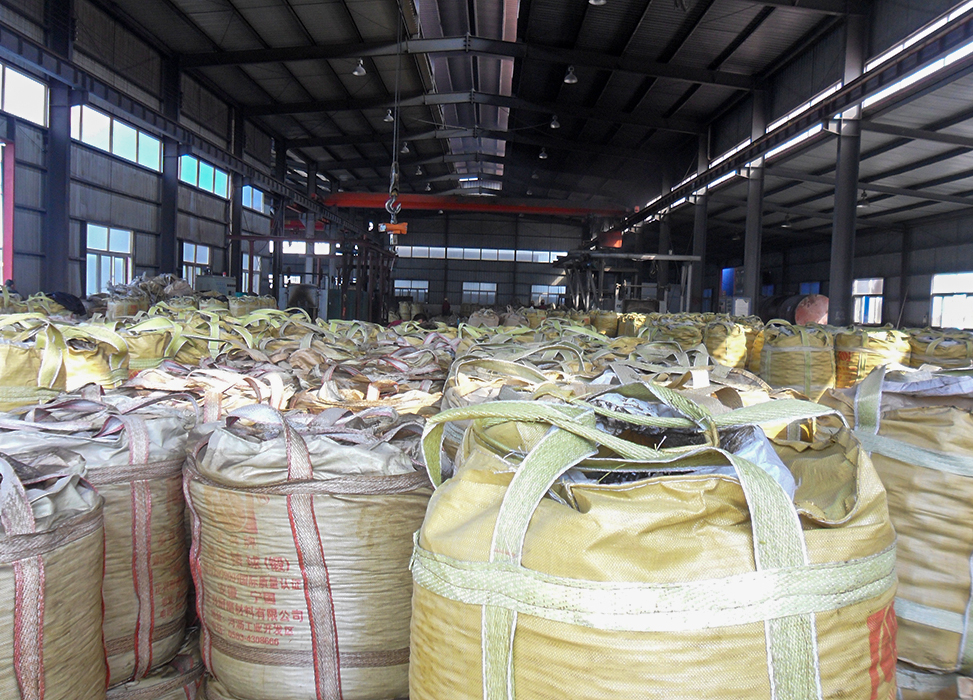
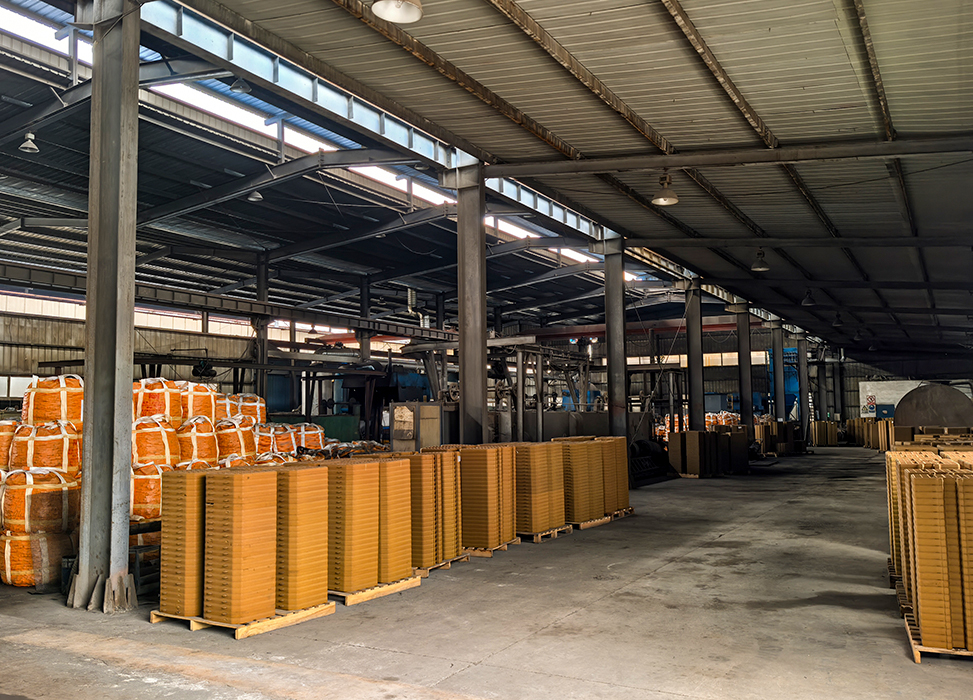
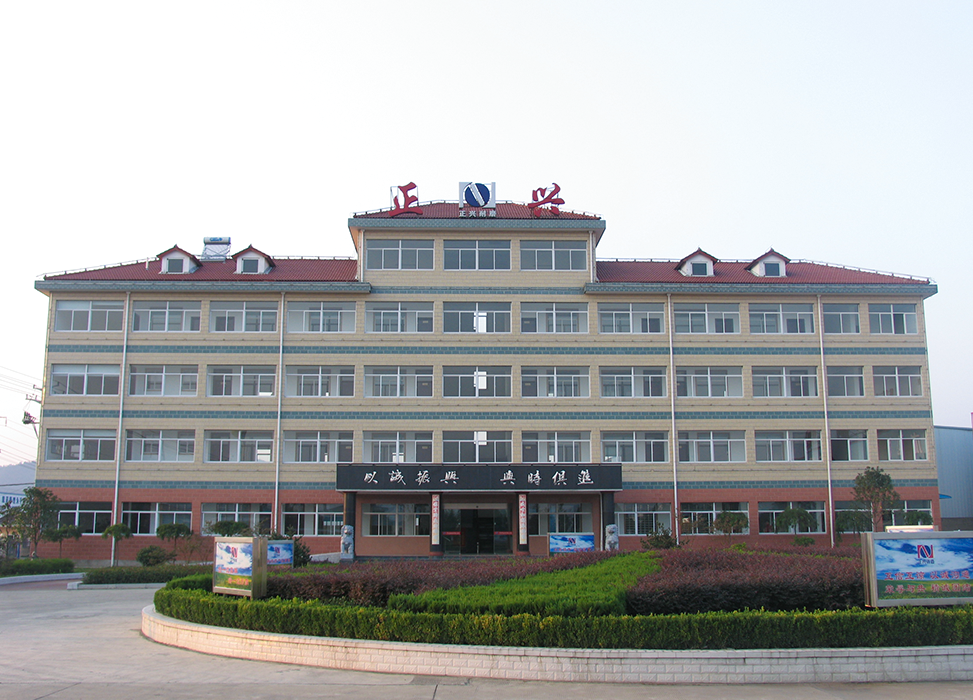
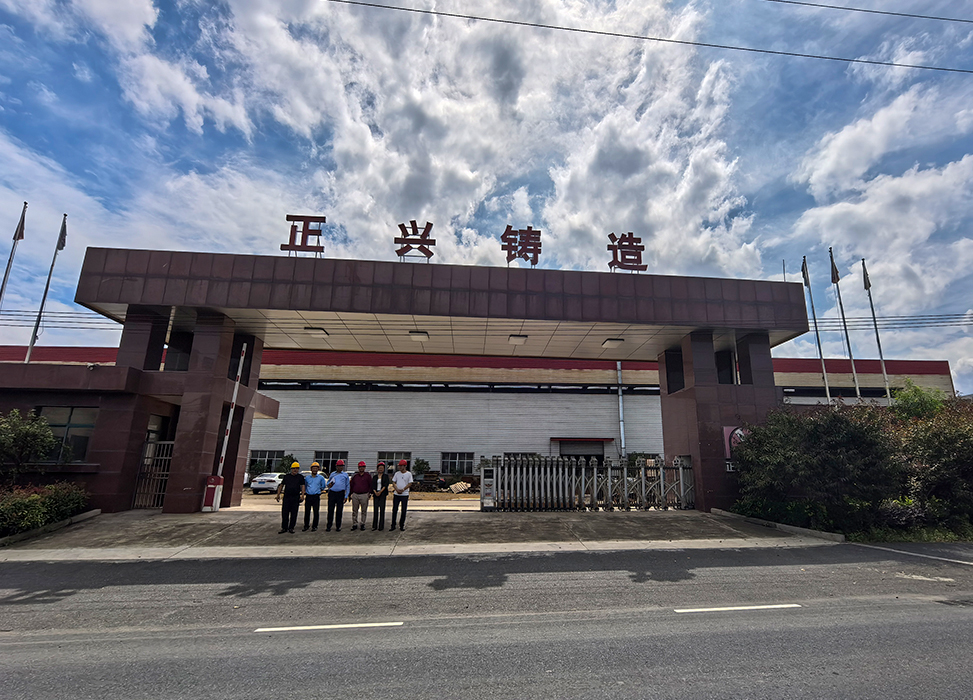
Factory Show
  • factory-副本
  • Factory
  • Factory
  • Factory
  • factory-副本
  • Factory

System
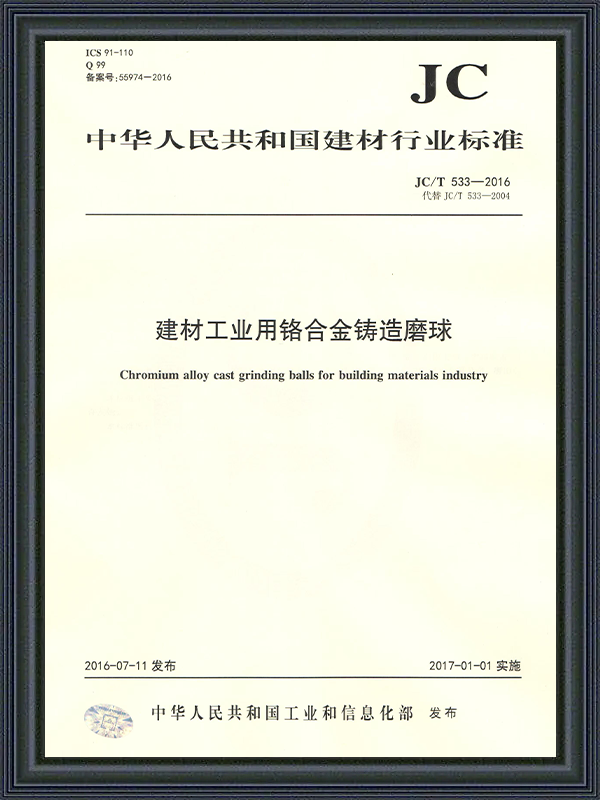
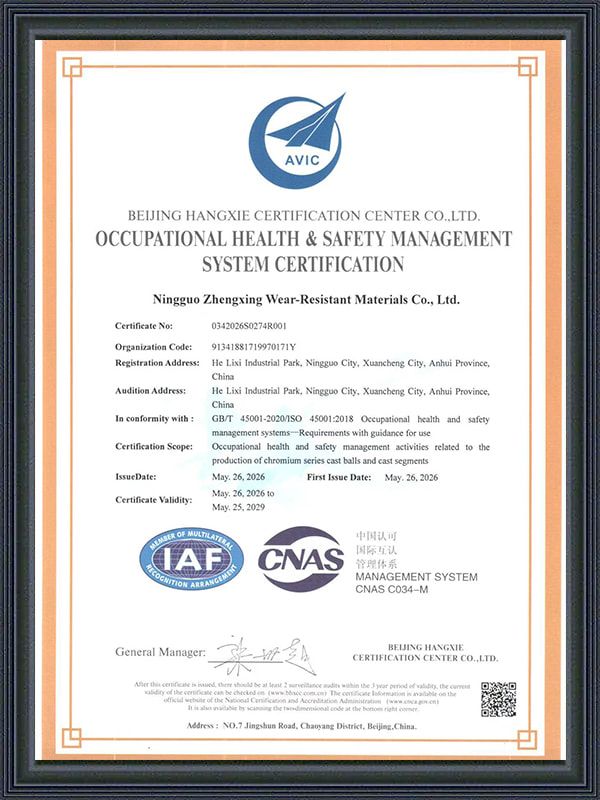
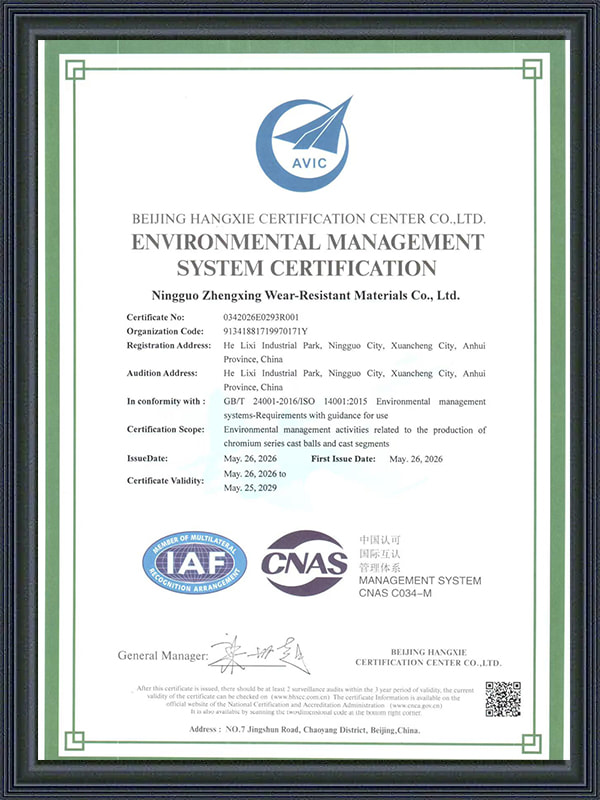
Certification

International system certification, effectively consolidate the competitiveness of the enterprise.

News
Industry knowledge

Material Innovations in Wear-Resistant Ball Mill Liners

Wear-resistant lining plates are critical to prolonging the lifespan of ball mills. Modern liners use high-chromium cast steel or alloyed manganese steel to achieve both toughness and wear resistance. Chromium addition improves hardness and reduces abrasive wear, while manganese contributes to work-hardening during impact. Some advanced designs incorporate multi-layered liners combining a hard wear-resistant surface with a ductile backing layer to absorb shocks and minimize cracking.

Optimizing Liner Design for Grinding Efficiency

Ball mill liner plates are not only wear components but also influence grinding efficiency. Key design factors include:

  • Crest height and angle: Higher crests increase lift, improving impact grinding but may increase energy consumption.
  • Segment arrangement: Alternating high-impact and low-impact segments distribute energy evenly across the mill.
  • Liner profile: Curved or wave-shaped liners help reduce dead zones and maintain ball motion, enhancing particle breakage.

Wear Patterns and Monitoring

Understanding wear patterns on liner plates can guide maintenance and replacement strategies. Common wear types include:

  • Localized pitting: Often caused by coarse particles or impact points.
  • Uniform abrasion: Gradual material loss across the surface, typical in well-balanced mills.
  • Cracking or spalling: Indicates fatigue failure, requiring immediate replacement to prevent ball mill damage.

Practical Guidelines for Liner Replacement

Replacing ball mill liners efficiently requires careful planning. Key considerations include:

  • Sequential replacement: Replacing liners in pairs or specific sections prevents mill imbalance.
  • Torque-controlled installation: Ensures bolts are tightened evenly to avoid stress concentrations.
  • Inspection of mating surfaces: Cleaning and minor machining may be necessary to ensure a proper fit and prevent early wear.

Liner Material Selection Table for Different Applications

Material Key Properties Suitable Applications
High-Chromium Cast Steel High hardness, good abrasion resistance Fine grinding, high-wear mineral ores
Alloyed Manganese Steel Self-hardening, excellent toughness Coarse grinding, impact-intensive mills
Rubber-Composite Liners Reduced noise, energy-saving Light to medium impact mills, wet grinding

Maintenance Best Practices to Extend Liner Life

Proactive maintenance can significantly extend the lifespan of ball mill liners. Recommendations include:

  • Regularly measure liner thickness and wear patterns to schedule replacements before failure.
  • Balance the ball charge to prevent uneven liner wear.
  • Monitor mill vibration and sound patterns to detect abnormal wear early.