 +86-563-4308666

 Eng
Eng
 Español
 Français
Understanding Chrome Alloy Wear-Resistant Castings
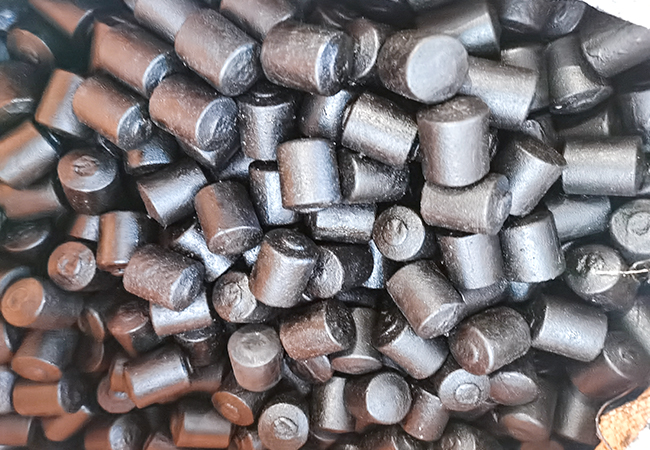
Chrome alloy wear-resistant castings are specialized industrial components engineered to withstand severe abrasion, impact, erosion, and high-stress operating environments. These castings are manufactured using alloy materials that contain chromium as a primary strengthening element, improving hardness, corrosion resistance, and wear performance.
Industries such as mining, cement production, power generation, steel manufacturing, aggregate processing, and recycling rely heavily on wear-resistant castings to maintain equipment reliability and reduce downtime. In these industries, machinery is constantly exposed to abrasive materials, including ores, rocks, coal, sand, clinker, and metal particles.
Traditional cast iron or standard steel components often wear out quickly under such demanding conditions. Chrome alloy castings provide a durable solution by significantly extending service life and reducing maintenance frequency.
The addition of chromium creates hard carbide structures within the metal matrix. These carbides improve resistance to surface wear and material loss, making chrome alloy castings highly suitable for applications involving friction, sliding contact, and particle impact.
Composition of Chrome Alloy Wear-Resistant Castings
Chrome alloy castings are produced by combining iron with varying amounts of chromium and other alloying elements. The exact composition depends on the intended application, required hardness, impact resistance, and operating conditions.
High chromium cast irons commonly contain chromium levels ranging from 12% to 30%. Additional alloying elements such as molybdenum, nickel, manganese, and carbon further enhance mechanical properties and heat resistance.
The microstructure formed during casting and heat treatment determines the final wear performance of the component. Controlled cooling and heat treatment processes help optimize hardness and toughness balance.
Common Alloying Elements
- Chromium for hardness and corrosion resistance
- Carbon for carbide formation
- Molybdenum for heat resistance
- Nickel for toughness improvement
- Manganese for strength and durability
| Element | Primary Function |
| Chromium | Wear and corrosion resistance |
| Carbon | Hard carbide formation |
| Nickel | Improved toughness |
| Molybdenum | Heat and impact resistance |
| Manganese | Strength enhancement |
Key Properties of Chrome Alloy Castings
Chrome alloy wear-resistant castings are valued because they combine several important mechanical and chemical properties that improve industrial equipment performance.
Exceptional Abrasion Resistance
The high chromium carbide content creates an extremely hard surface capable of resisting abrasive wear caused by continuous contact with hard particles. This property makes chrome alloy castings ideal for material handling and crushing operations.
Corrosion Resistance
Chromium improves resistance to oxidation and chemical corrosion, particularly in wet or chemically aggressive environments. This extends component lifespan in slurry handling and chemical processing systems.
High Hardness
Chrome alloy castings typically achieve high hardness levels after heat treatment. Increased hardness reduces material deformation and surface wear during operation.
Impact Resistance
Depending on alloy composition and heat treatment, chrome alloy castings can also provide good impact resistance in applications involving repetitive loading or material impact.
Industrial Applications of Chrome Alloy Castings
Chrome alloy wear-resistant castings are used extensively in industries where machinery operates under abrasive or erosive conditions. Their durability improves operational reliability and lowers replacement frequency.
Mining Industry
Mining operations expose equipment to highly abrasive ores and rock materials. Chrome alloy castings are commonly used in crushers, grinding mills, slurry pumps, and chute liners.
Wear-resistant components help mining facilities reduce shutdowns and improve production efficiency.
Cement Production
Cement plants use chrome alloy castings in grinding rollers, crusher hammers, kiln components, and clinker handling systems. These parts experience constant exposure to abrasive cement materials and high temperatures.
Power Generation
Coal-fired power plants use chrome alloy castings in coal pulverizers, ash handling systems, and boiler components where erosion and heat resistance are essential.
Steel and Metal Processing
Steel mills use wear-resistant castings in rolling mills, sintering equipment, and slag handling systems. These environments involve both abrasive wear and elevated temperatures.
Aggregate and Recycling Industries
Crushing and screening equipment in aggregate and recycling plants rely on durable castings to process concrete, glass, asphalt, and scrap materials efficiently.
| Industry | Common Applications |
| Mining | Crusher liners and slurry pumps |
| Cement | Grinding rollers and hammers |
| Power Plants | Coal pulverizer components |
| Steel Manufacturing | Mill liners and slag parts |
| Recycling | Shredder and crusher components |
Advantages of Chrome Alloy Wear-Resistant Castings
Chrome alloy castings offer multiple operational and economic advantages compared with standard steel or cast iron components.
Extended Service Life
High wear resistance significantly increases component lifespan, reducing the frequency of part replacement and maintenance shutdowns.
Lower Maintenance Costs
Longer-lasting components reduce labor costs, spare part inventory requirements, and production interruptions.
Improved Equipment Reliability
Durable castings help maintain consistent equipment performance in demanding industrial environments.
Enhanced Productivity
Reduced downtime allows facilities to maintain higher production efficiency and operational output.
- Reduced component replacement frequency
- Improved abrasion resistance
- Better corrosion protection
- Lower operational downtime
- Higher equipment efficiency
Manufacturing Processes for Chrome Alloy Castings
Producing high-quality chrome alloy castings requires careful control over material composition, melting temperatures, mold preparation, and heat treatment processes.
Melting and Alloy Preparation
Raw materials are melted in induction or electric arc furnaces. Precise alloy chemistry is critical for achieving desired hardness and toughness properties.
Casting Process
Molten alloy is poured into prepared molds shaped according to component specifications. Mold quality affects dimensional accuracy and surface finish.
Heat Treatment
Heat treatment improves hardness, wear resistance, and internal microstructure stability. Proper heat treatment is essential for maximizing service life.
Machining and Finishing
Finished castings may require machining, grinding, or surface finishing to achieve precise dimensions and installation compatibility.
Challenges and Limitations
Although chrome alloy wear-resistant castings offer excellent durability, they also present certain challenges that manufacturers and end users must consider.
Brittleness at High Hardness Levels
Excessive hardness may reduce impact resistance, increasing the risk of cracking under severe shock loads.
Machining Difficulty
High hardness makes machining more difficult and may require specialized cutting tools and equipment.
Higher Initial Cost
Chrome alloy castings generally cost more than standard materials due to alloy composition and manufacturing complexity. However, their extended service life often reduces total operating costs over time.
Selecting the Right Chrome Alloy Casting
Choosing the correct casting material depends on operating conditions, wear mechanisms, temperature exposure, and impact severity.
Applications involving high abrasion but limited impact typically use higher chromium content for maximum hardness. Applications with combined impact and wear may require balanced alloy compositions that improve toughness.
Working with experienced casting manufacturers helps ensure proper material selection and optimized component performance.
Future Trends in Wear-Resistant Casting Technology
Industrial demand for longer-lasting and more energy-efficient equipment continues to drive innovation in wear-resistant materials.
Modern developments include improved heat treatment technologies, advanced carbide control, hybrid composite materials, and computer-assisted casting simulations that enhance product quality.
Manufacturers are also exploring environmentally sustainable production methods and recyclable alloy materials to reduce environmental impact.
Conclusion
Chrome alloy wear-resistant castings are essential components in many industrial sectors where equipment operates under severe abrasive and high-impact conditions. Their superior hardness, wear resistance, and durability help improve equipment reliability and reduce operational costs.
From mining and cement production to steel manufacturing and power generation, chrome alloy castings play a vital role in maintaining productivity and minimizing downtime.
By selecting the correct alloy composition and following proper manufacturing practices, industries can achieve long-term performance improvements and maximize the value of their wear-resistant components.


