 +86-563-4308666

 Eng
Eng
 Español
 Français
Not all wear-resistant castings are created equal. Some components rely on a thin hardened surface layer to resist abrasion, while others are engineered with wear resistance built into their entire structure. Chrome alloy wear-resistant castings fall into the latter category, offering full-depth durability that continues to perform even as material wears away over time. Understanding this distinction is essential for anyone specifying components for mining, cement, power generation, or other high-abrasion industrial applications, since choosing the wrong type can lead to premature failure and costly unplanned downtime.
Surface Hardening vs Full-Depth Wear Resistance
Many wear-resistant components achieve their durability through surface treatments such as flame hardening, induction hardening, or hard-facing weld overlays. These processes create a hardened layer on top of a softer base material, typically ranging from a fraction of a millimeter to a few millimeters deep. While this approach can be cost-effective for light-duty applications, it has an inherent limitation: once the hardened layer wears through, the underlying softer material is exposed and begins to wear rapidly, often leading to sudden and unpredictable part failure.
Chrome alloy wear-resistant castings take a fundamentally different approach. Instead of applying a hardened layer to a soft base, the entire casting is produced from a high-chromium alloy, meaning the wear-resistant microstructure exists uniformly throughout the material's full cross-section. As the surface gradually wears during operation, the material beneath continues to offer the same hardness and abrasion resistance, resulting in a much more predictable and extended service life.
What Gives Chrome Alloy Castings Their Wear Resistance
The exceptional durability of chrome alloy castings comes from their metallurgical structure. High-chromium white iron alloys, typically containing between 12% and 30% chromium, form hard chromium carbides distributed throughout a metallic matrix during the casting and heat treatment process. These carbides are significantly harder than the abrasive materials they commonly encounter, such as rock, ore, sand, or clinker, allowing the casting to resist cutting, gouging, and erosive wear far more effectively than conventional steel components.
Chromium Carbide Formation
During solidification, chromium combines with carbon in the alloy to form a network of hard carbide particles. The volume, size, and distribution of these carbides directly influence how well the casting resists different types of wear, with higher chromium content generally producing a denser carbide network suited for more severe abrasive environments.
Heat Treatment Optimization
After casting, these components typically undergo controlled heat treatment to optimize the matrix surrounding the carbides. This process transforms the matrix into a harder structure, improving overall hardness while maintaining enough toughness to withstand impact loading without excessive cracking or chipping.
Key Advantages of Full-Depth Chrome Alloy Castings
- Consistent wear resistance throughout the entire material thickness, not just at the surface.
- Longer service life in high-abrasion applications compared to surface-hardened alternatives.
- Predictable wear patterns that simplify maintenance scheduling and inventory planning.
- Reduced risk of sudden failure since there is no hardened layer to wear through completely.
- Ability to be cast into complex shapes, allowing wear resistance in geometries difficult to achieve with weld overlays.
Comparing Wear Protection Methods
Choosing the right wear protection approach depends on the specific application, expected service life, and budget constraints. The table below highlights how chrome alloy castings compare to common surface-treatment alternatives.
| Method | Wear Resistance Depth | Failure Mode | Best Suited For |
| Chrome Alloy Casting | Full cross-section | Gradual, predictable wear | High-abrasion, long-service applications |
| Flame or Induction Hardening | 1-3mm surface layer | Rapid wear once layer breaches | Light to moderate abrasion |
| Hard-Facing Weld Overlay | 3-10mm deposited layer | Cracking, delamination risk | Repair and localized wear areas |
While surface treatments can be suitable for lighter-duty or repair applications, components subjected to continuous high-impact or high-abrasion wear generally benefit more from the full-depth protection that chrome alloy castings provide.
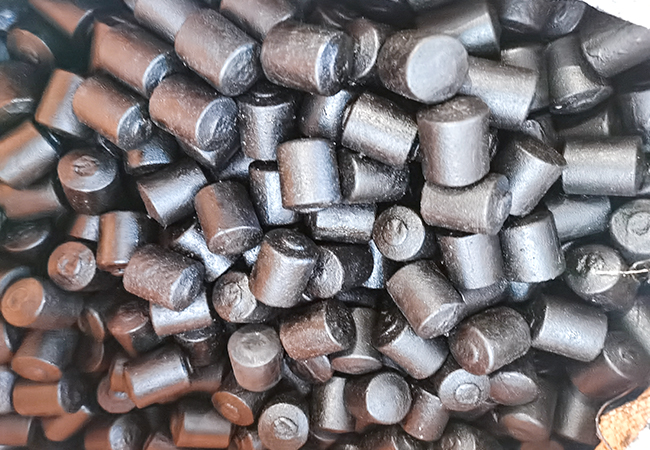
Common Applications for Chrome Alloy Wear-Resistant Castings
These castings are widely used across industries where materials are subjected to constant abrasive contact. Mining operations rely on chrome alloy components for crusher liners, mill liners, and slurry pump parts that endure continuous contact with rock and ore. Cement plants use similar castings for grinding elements and material handling components exposed to abrasive clinker dust. Power generation facilities, particularly coal-fired plants, depend on chrome alloy castings for pulverizer components and ash handling systems that face constant erosive wear from fine particulate material.
Other common applications include dredging equipment, sand and gravel processing machinery, and agricultural equipment that operates in highly abrasive soil conditions. In each of these settings, the full-depth durability of chrome alloy castings translates directly into reduced replacement frequency and lower total cost of ownership over the equipment's operating life.
Factors to Consider When Selecting Chrome Alloy Castings
Not all chrome alloy castings are formulated identically, and selecting the right grade requires evaluating several application-specific factors to ensure optimal performance and cost efficiency.
- Chromium content: Higher chromium percentages generally offer greater abrasion resistance but may reduce impact toughness, so the alloy should match the specific wear mechanism present in the application.
- Impact versus abrasive wear: Applications involving significant impact loading require a balance between hardness and toughness to prevent cracking, while pure abrasive wear applications can prioritize maximum hardness.
- Casting geometry and thickness: Complex shapes and varying wall thicknesses can affect how uniformly the carbide structure forms during solidification, influencing overall performance consistency.
- Operating temperature: Some high-chromium alloys are formulated to maintain hardness and structural stability at elevated operating temperatures found in certain industrial processes.
- Supplier quality control: Consistent heat treatment and metallurgical testing are essential to ensure the casting achieves its intended hardness and carbide distribution throughout the full material depth.
Maximizing the Value of Wear-Resistant Investments
Chrome alloy wear-resistant castings represent a significant upfront investment compared to surface-treated components, but this cost difference is typically offset by dramatically extended service life and reduced maintenance disruption. Facilities that experience frequent unplanned downtime due to premature wear failures often find that transitioning to full-depth chrome alloy components improves overall equipment reliability and lowers total lifecycle costs, even though the initial purchase price may be higher.
Working with an experienced foundry that understands the specific abrasive and impact conditions of your application ensures that the correct alloy composition and heat treatment process are applied, maximizing the wear resistance benefits these castings are designed to deliver.
Final Thoughts on Choosing Full-Depth Wear Protection
The distinction between surface-protected and full-depth wear-resistant components is critical for any operation facing continuous abrasive wear. Chrome alloy wear-resistant castings deliver consistent hardness throughout their entire structure, providing predictable, long-term durability that surface treatments simply cannot match in high-abrasion environments. By understanding the metallurgical principles behind these castings and carefully evaluating application-specific factors like impact exposure, operating temperature, and chromium content, buyers can select components that minimize downtime, reduce replacement costs, and maximize the operational lifespan of their equipment.


