Optimizing Chromium Content for Wear-Resistant Castings
The wear resistance of chrome alloy castings is strongly influenced by chromium concentration. For high-abrasion environments, maintaining chromium between 2.0% and 3.5% ensures the formation of hard carbides that reduce surface wear. However, excessive chromium may increase brittleness, making the castings prone to cracking under high-impact conditions. Adding controlled amounts of molybdenum and vanadium can improve toughness without compromising hardness, ensuring both durability and longevity.
Microstructural Control in Grinding Cylpebs
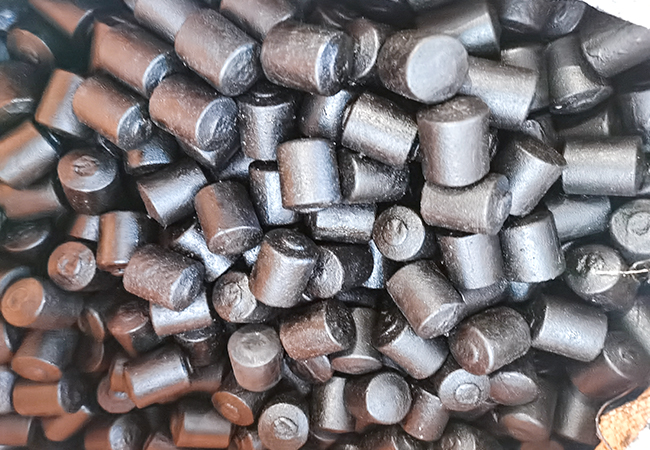
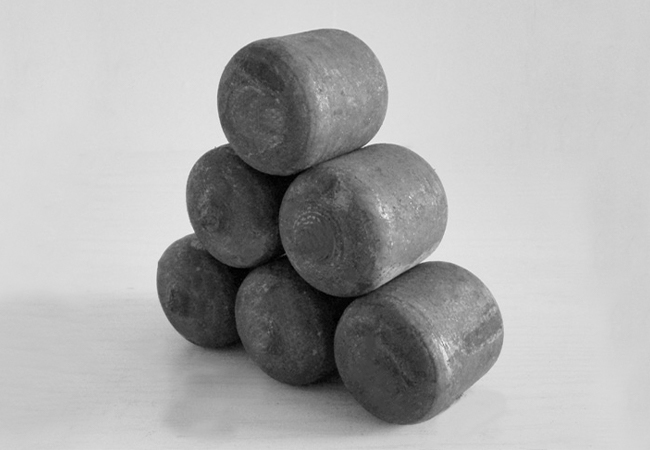
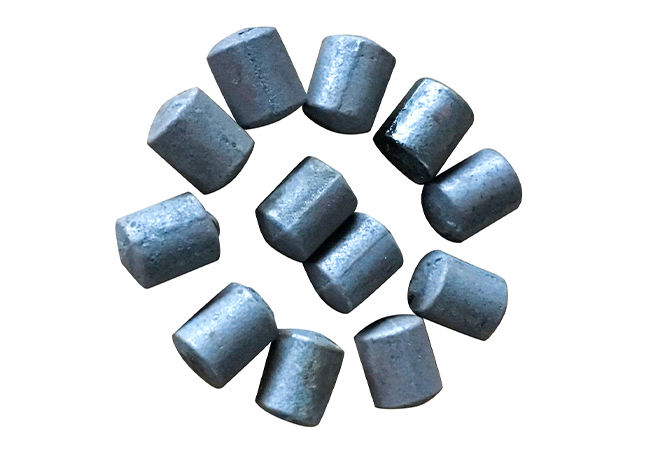
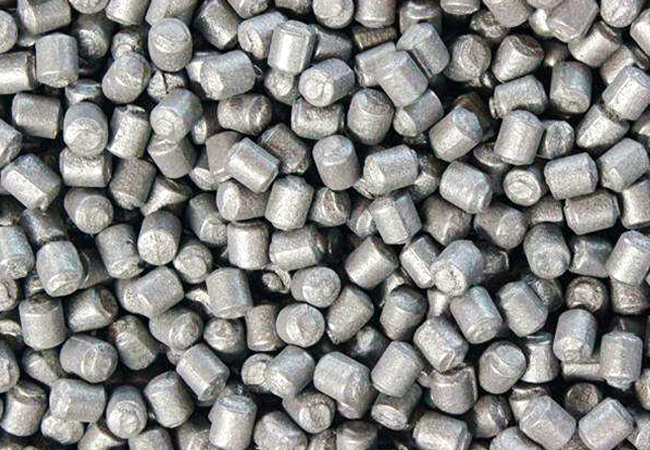
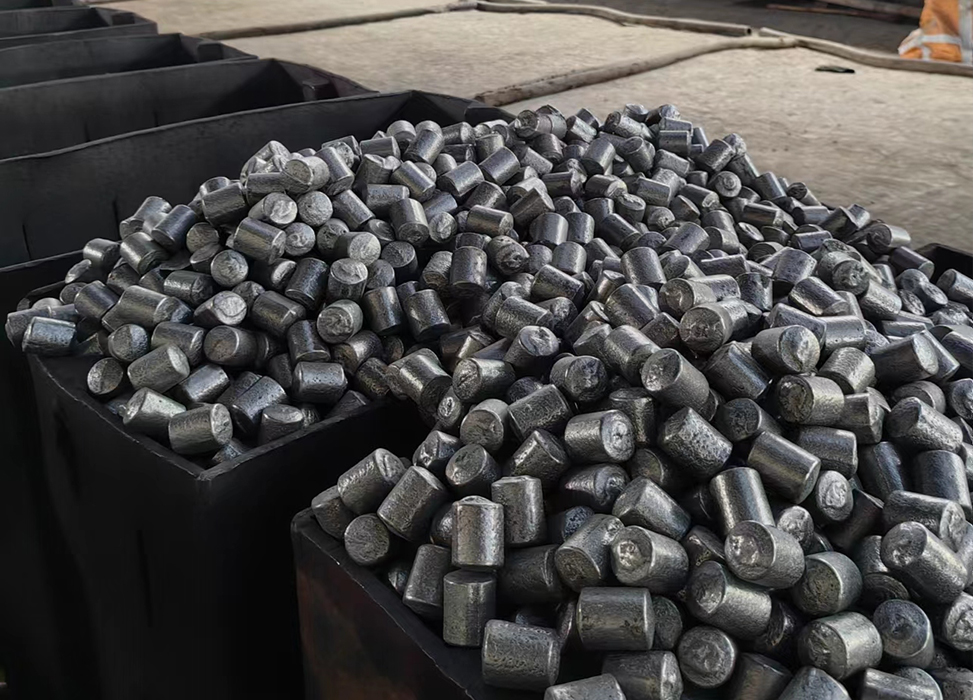
Achieving uniform microstructure in grinding cylpebs is essential for consistent grinding performance. Heat treatment techniques, including quenching and tempering, are used to produce a martensitic matrix with evenly dispersed carbides. The following table outlines key microstructural parameters and their effects on grinding performance:
| Parameter |
Recommended Range |
Performance Effect |
| Quenching Temperature |
850–950°C |
Ensures high hardness and wear resistance |
| Tempering Temperature |
180–240°C |
Reduces brittleness, maintains toughness |
| Cooling Method |
Air or oil quenching |
Controls residual stresses, prevents cracks |
Wear Mechanisms in Chrome Alloy Grinding Media
Grinding cylpebs experience both abrasive and impact wear. Surface micro-cracking at carbide boundaries is a common failure mode, which can accelerate material loss. Effective strategies to reduce wear include:
- Selecting appropriate cylpeb size distribution to balance impact force and grinding efficiency.
- Applying surface treatments like induction hardening or laser surface alloying to improve surface hardness.
- Periodic inspection and replacement based on wear patterns rather than fixed time intervals.
Grinding Efficiency and Energy Management
The effectiveness of chrome alloy cylpebs is influenced by their size, hardness, and the milling environment. Smaller cylpebs provide better fine grinding but increase energy consumption. Combining different sizes and hardness levels allows optimization of grinding efficiency while minimizing energy costs. Monitoring mill load, rotational speed, and particle size distribution in real-time can significantly enhance operational efficiency.
Inspection and Quality Control for High-Performance Castings
Maintaining high-quality standards for chrome alloy wear-resistant castings and cylpebs requires rigorous quality control, including:
- Chemical composition analysis using spectrometry to ensure alloy uniformity.
- Hardness and toughness testing at multiple points per batch.
- Microstructural evaluation through metallography to verify carbide distribution and matrix consistency.
 +86-563-4308666

 Eng
Eng
 Español
 Français