 +86-563-4308666

 Eng
Eng
 Español
 Français
Introduction to Medium Chrome Alloy Casting Balls
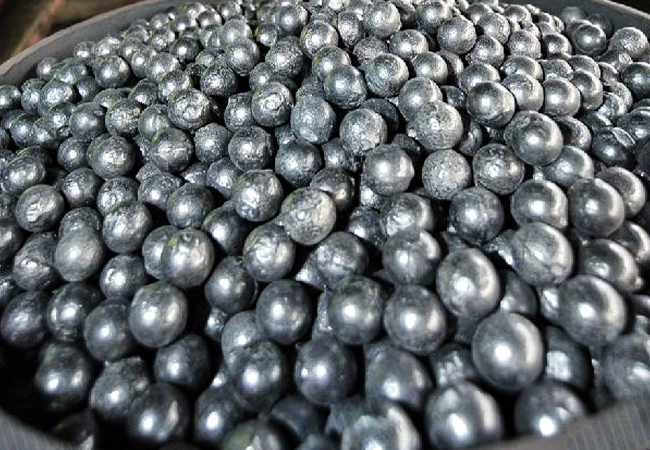
Medium chrome alloy casting balls, often used as grinding media in ball mills, have emerged as an upgraded version of low chrome alloy balls due to their enhanced hardness, toughness, and wear resistance. Typically containing 2–3% chromium, they strike a balance between affordability and performance, bridging the gap between low chrome alloy balls and high chrome grinding media. Their material composition and microstructural characteristics make them highly suitable for industrial applications involving abrasive ores and high-impact grinding conditions.
Material Composition and Metallurgical Enhancements
The key distinction between low chrome alloy balls and medium chrome alloy balls lies in their chemical composition. While low chrome balls typically contain 0.5–1.5% chromium, medium chrome balls increase the chromium content to 2–3%. This increment allows for the formation of a higher volume of chromium carbides within the steel matrix, enhancing hardness and wear resistance without significantly compromising toughness. Other alloying elements, such as carbon, manganese, and molybdenum, are carefully balanced to maintain ductility and prevent brittle fracture under repeated impact.
Performance Advantages Over Low Chrome Alloy Balls
Medium chrome alloy balls exhibit several performance improvements compared to their low chrome counterparts. The most significant advantages include:
- Improved Wear Resistance: The increased chromium content enhances the formation of hard carbides that protect against abrasive wear.
- Higher Hardness: Medium chrome balls generally achieve a hardness of 58–62 HRC, compared to 52–56 HRC for low chrome balls.
- Reduced Deformation: Under impact and compressive stress, medium chrome balls retain their shape longer, reducing material loss and maintaining grinding efficiency.
- Extended Service Life: The combination of hardness and toughness allows these balls to operate longer without replacement, reducing downtime and operational costs.
Applications in Mining and Cement Industries
Medium chrome alloy balls are widely used in high-abrasion industrial applications where low chrome balls may wear prematurely. Key application areas include:
- Ore grinding in ball mills, SAG mills, and rod mills, particularly for iron, copper, and gold ores.
- Clinker grinding in cement plants, where repeated impact and abrasive action demand high-performance grinding media.
- Secondary grinding circuits, where particle size reduction efficiency is critical for overall plant throughput.
In each scenario, the medium chrome alloy balls offer a balance of toughness and wear resistance that surpasses low chrome balls, making them a cost-effective upgrade for industrial operations.
Microstructural Advantages and Hardness Profiles
The microstructure of medium chrome alloy balls consists of a martensitic matrix with dispersed chromium carbides. This configuration provides a dual benefit: a hard surface layer that resists abrasion and a ductile core that absorbs impact energy. This structure helps maintain uniform hardness across the ball while minimizing the risk of fracturing or spalling. Compared to low chrome balls, which have fewer carbides and a softer matrix, medium chrome balls retain higher surface hardness throughout their service life, improving grinding efficiency and reducing overall media consumption.
Performance Metrics and Comparative Data
Extensive industrial testing highlights the measurable improvements of medium chrome balls over low chrome balls. Typical comparative metrics include:
| Property | Low Chrome Alloy Ball | Medium Chrome Alloy Ball |
| Chromium Content (%) | 0.5–1.5 | 2–3 |
| Hardness (HRC) | 52–56 | 58–62 |
| Wear Rate (g/ton ore) | 12–15 | 6–8 |
| Average Service Life (hours) | 1,500–2,000 | 3,000–3,500 |
Economic and Operational Benefits
Switching from low chrome to medium chrome alloy balls provides tangible economic benefits for industrial plants. The longer service life reduces the frequency of media replacement, minimizing downtime and labor costs. Improved hardness and wear resistance decrease material consumption, translating into lower overall production expenses. Additionally, the consistent performance of medium chrome balls helps maintain optimal grinding efficiency, contributing to stable throughput and improved product quality in mining and cement operations.
Factors Influencing Performance Optimization
To fully leverage the upgraded characteristics of medium chrome alloy balls, several operational considerations must be addressed:
- Ensure proper ball size selection to match mill diameter and ore hardness for optimal grinding efficiency.
- Maintain a balanced charge ratio in the mill to prevent excessive impact or stress concentrations on individual balls.
- Regularly monitor wear patterns to predict replacement schedules and maximize service life.
- Implement proper storage and handling protocols to avoid surface damage that could affect hardness and wear performance.
Conclusion: Why Medium Chrome Balls Are the "Upgraded Version"
Medium chrome alloy casting balls are referred to as the upgraded version of low chrome balls because they provide superior hardness, wear resistance, toughness, and service life. Through metallurgical enhancements and optimized microstructure, they outperform low chrome alloy balls in both performance and economic efficiency. Their widespread adoption in mining, cement, and other grinding-intensive industries underscores their practical advantages, making them the preferred choice for modern industrial applications that demand high performance and reliability.


