 +86-563-4308666

 Eng
Eng
 Español
 Français
Introduction to Ultra-High Chrome Alloy Casting
Ultra-high chrome alloy casting is a specialized metallurgical process used to produce components with exceptional hardness, wear resistance, and durability. These alloys typically contain a high percentage of chromium, often exceeding 25%, which significantly enhances their ability to resist abrasion and corrosion in extreme industrial environments.
This casting technology is widely used in mining, cement production, power generation, and slurry transport systems where equipment is constantly exposed to severe wear conditions. Understanding its advantages helps industries select the right materials for long-term operational efficiency.
Exceptional Wear Resistance in Harsh Environments
One of the most important advantages of ultra-high chrome alloy casting is its outstanding wear resistance. The presence of hard chromium carbides in the microstructure creates a protective matrix that resists abrasion even under high-impact conditions.
This makes it ideal for components such as:
- Crusher liners in mining operations
- Pump impellers handling abrasive slurries
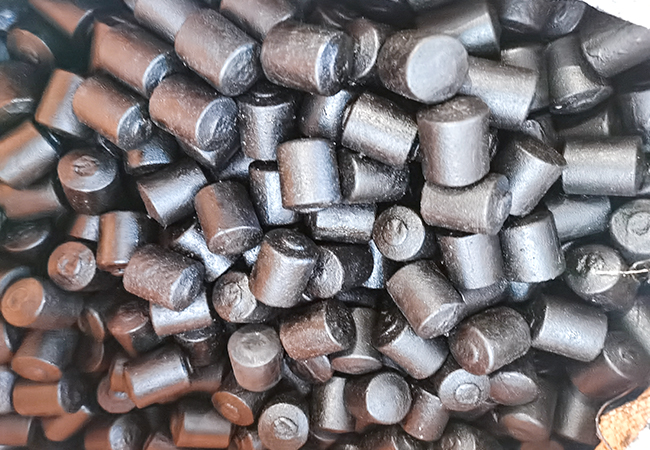
- Grinding media in cement mills
The material significantly extends service life, reducing downtime and maintenance costs.
Superior Corrosion and Oxidation Resistance
In addition to wear resistance, ultra-high chrome alloys offer excellent protection against corrosion and oxidation. The high chromium content forms a stable passive film on the surface, preventing chemical reactions with moisture, acids, and other corrosive agents.
This property is particularly valuable in industries such as:
- Chemical processing plants
- Seawater desalination systems
- Power plant cooling systems
High Hardness and Structural Stability
Ultra-high chrome alloy castings are known for their extreme hardness, often exceeding 600 Brinell hardness (HB). This hardness is achieved through controlled solidification during casting and heat treatment processes that optimize carbide distribution.
The structural stability ensures that the material maintains its shape and performance even under continuous mechanical stress, making it highly reliable for heavy-duty applications.
Cost Efficiency Over Long-Term Use
Although the initial cost of ultra-high chrome alloy casting components may be higher than traditional materials, the long-term cost savings are significant. Reduced replacement frequency and lower maintenance requirements contribute to overall operational efficiency.
Key cost benefits include:
- Extended equipment lifespan
- Reduced machine downtime
- Lower replacement and labor costs
Comparison with Other Casting Materials
| Material Type | Wear Resistance | Corrosion Resistance | Service Life |
| Ultra-High Chrome Alloy | Excellent | Excellent | Very Long |
| High Manganese Steel | Good (impact wear) | Low | Medium |
| Carbon Steel | Moderate | Low | Short |
Applications in Heavy Industry
Ultra-high chrome alloy castings are widely used across industries that demand extreme durability. Their ability to withstand abrasive wear makes them indispensable in harsh working environments.
Common applications include:
- Mining and mineral processing equipment
- Cement production machinery
- Thermal power plant systems
- Dredging and slurry transportation systems
Manufacturing Process and Quality Control
The production of ultra-high chrome alloy castings involves precise control of composition, melting temperature, and cooling rates. Advanced foundry techniques ensure uniform distribution of carbides and minimize defects such as porosity and cracking.
Quality control measures typically include:
- Chemical composition analysis
- Hardness and microstructure testing
- Non-destructive inspection techniques
Energy Efficiency and Operational Performance
By reducing wear-related failures, ultra-high chrome alloy components help maintain consistent machine performance. This leads to fewer interruptions in production and improved energy efficiency across industrial systems.
Equipment operates more smoothly, requiring less energy to compensate for worn parts, which further contributes to sustainability goals in modern industries.
Limitations and Design Considerations
Despite its advantages, ultra-high chrome alloy casting is not suitable for all applications. Its high hardness can make it more brittle compared to other materials, especially under extreme impact loads.
Engineers must carefully consider:
- Impact vs. abrasion balance in application
- Thermal stress conditions
- Design geometry to reduce stress concentration
Conclusion: A Critical Material for Modern Industry
Ultra-high chrome alloy casting offers a powerful combination of wear resistance, corrosion protection, and long service life. Its ability to perform under extreme conditions makes it an essential material for heavy industries worldwide.
While it requires careful application and design consideration, its long-term benefits in performance and cost efficiency make it a superior choice for demanding industrial environments.


