Material Selection and Hardness Control in Chrome Alloy Grinding Balls
The performance of chrome alloy grinding balls heavily depends on the precise selection of alloying elements. Chromium content directly influences hardness and wear resistance. Typically, maintaining chromium between 1.5% to 3.0% ensures optimal hardness while reducing brittleness. Additionally, elements like molybdenum and nickel are often added to enhance toughness and corrosion resistance, especially under high-stress grinding conditions.
Microstructure Optimization Techniques
Achieving a uniform microstructure is critical for grinding ball durability. Heat treatment processes such as quenching and tempering are carefully controlled to form a martensitic matrix with fine carbides distributed evenly. The following table summarizes key parameters for microstructure control:
| Parameter |
Recommended Range |
Effect on Performance |
| Quenching Temperature |
850–950°C |
Ensures martensite formation, high hardness |
| Tempering Temperature |
150–250°C |
Reduces brittleness, maintains toughness |
| Cooling Medium |
Oil or Air |
Controls residual stresses, prevents cracking |
Wear Mechanisms and Lifespan Enhancement
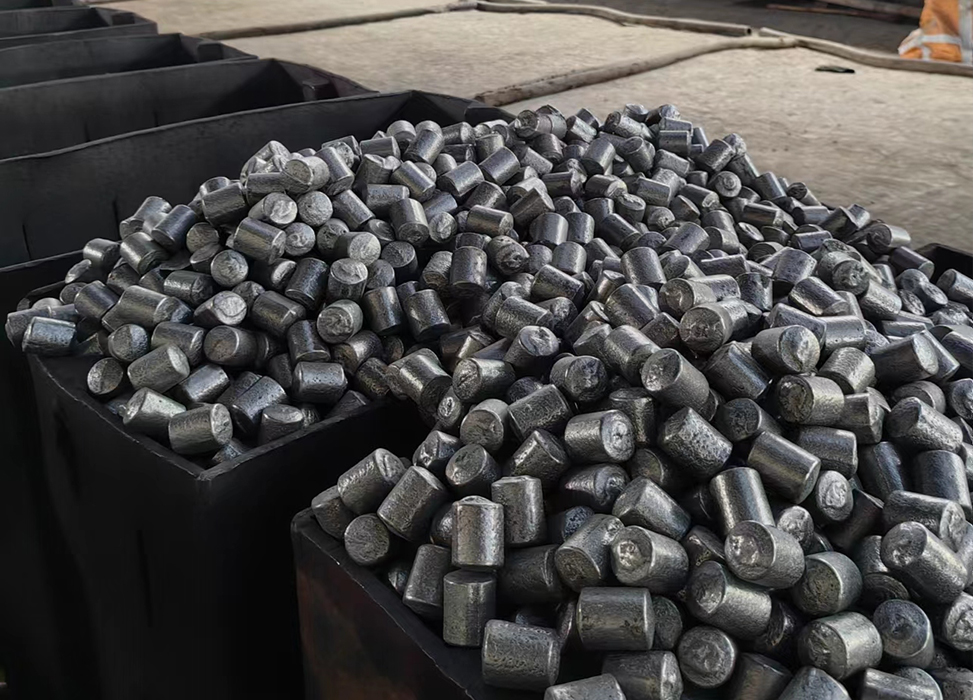
Chrome alloy casting balls are exposed to both abrasive and impact wear during use. Micro-cracking at carbide boundaries is a primary failure mode. Strategies to extend service life include:
- Optimizing ball size distribution to minimize impact stress and reduce uneven wear.
- Surface treatments such as induction hardening to increase surface hardness without compromising core toughness.
- Using real-time wear monitoring in high-capacity mills to replace balls before catastrophic failures occur.
Grinding Efficiency and Energy Consumption
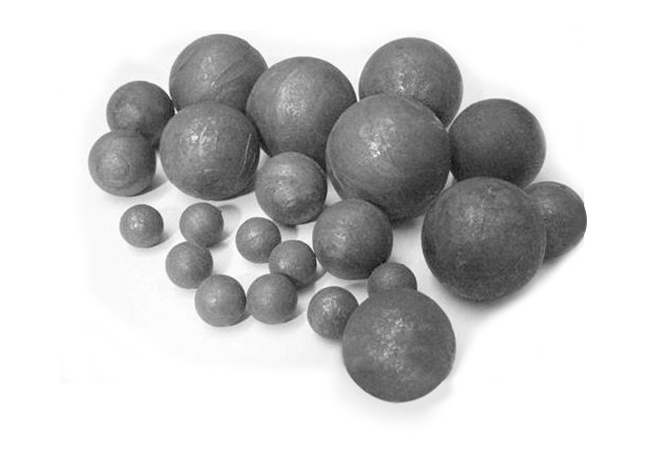
The efficiency of grinding operations depends on the interaction between the grinding media and material. Key factors include ball size, hardness, and mill rotation speed. Smaller chrome alloy grinding balls improve fine particle grinding but increase surface contact area and energy consumption. Using a mixed-size distribution often achieves a balance between energy efficiency and particle size reduction.
Quality Control in Mass Production
To maintain consistent performance across 50,000 tonnes of annual production, rigorous quality control processes are essential. Measures include:
- Chemical composition verification using spectrometry to ensure alloy uniformity.
- Hardness testing at multiple points on each batch to detect deviations.
- Microstructural inspection with metallography to confirm proper carbide distribution.
 +86-563-4308666

 Eng
Eng
 Español
 Français