Material Composition and Hardness Control in Steel Grinding Balls
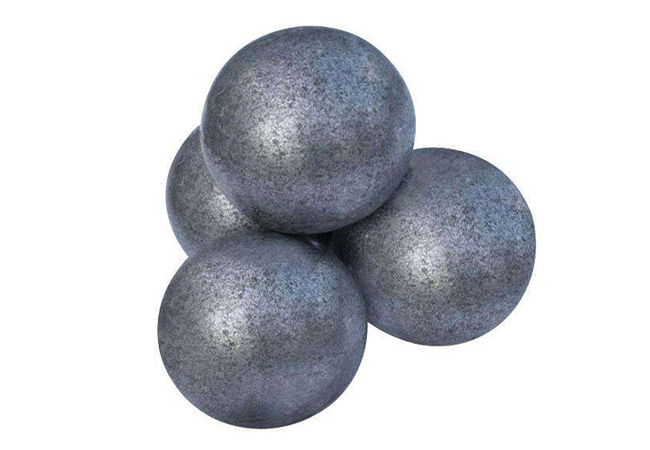
The performance of steel grinding balls is highly influenced by alloy composition and heat treatment. High-carbon steel combined with controlled amounts of chromium, manganese, and molybdenum ensures high hardness and adequate toughness. Hardness levels are typically controlled between 58–64 HRC for optimal wear resistance. Maintaining uniform hardness throughout the ball minimizes spalling and cracking during intensive milling operations, extending service life.
Cast Grinding Balls: Microstructure and Wear Behavior
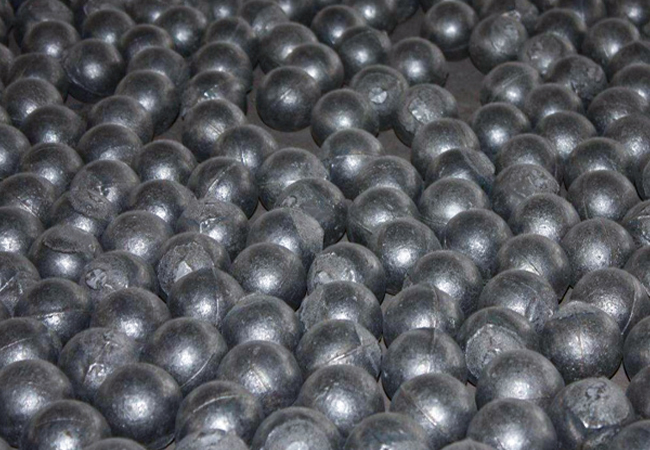
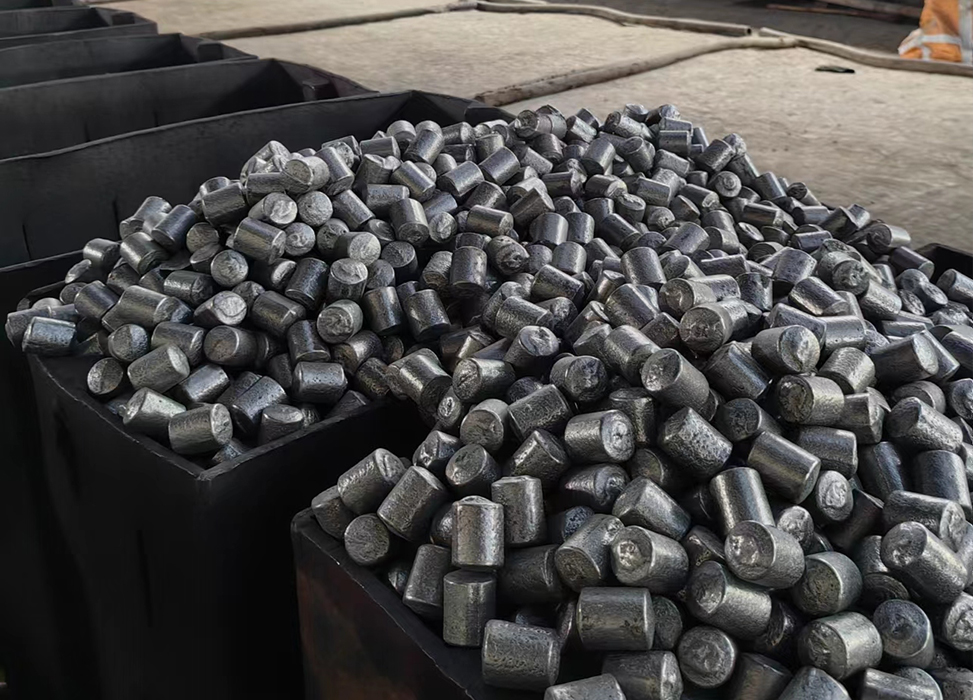
Cast grinding balls form a martensitic matrix with embedded carbides, providing superior wear resistance. The wear behavior differs from forged balls due to differences in toughness and microstructure. Cast balls are particularly effective in applications with high abrasion and moderate impact, while careful control of cooling rates during casting prevents internal porosity and ensures uniform hardness.
Comparative Table of Steel vs Cast Grinding Balls
| Property |
Steel Grinding Ball |
Cast Grinding Ball |
| Hardness |
58–64 HRC |
55–62 HRC |
| Toughness |
High |
Moderate |
| Wear Resistance |
Good for impact-heavy applications |
Excellent in abrasive environments |
| Production Method |
Forging + Heat Treatment |
Casting + Controlled Cooling |
Optimizing Grinding Ball Size for Efficiency
Selecting the correct grinding ball size is essential for milling efficiency. Smaller balls provide finer grinding and increase the surface contact area, but may accelerate wear. Larger balls are better for coarse grinding but can create uneven particle distribution. Many operations use a mixed-size ball charge to balance grinding efficiency and energy consumption, ensuring uniform particle size reduction.
Wear Monitoring and Replacement Practices
Monitoring the wear of grinding balls allows for timely replacement, preventing inefficient grinding and equipment damage. Key strategies include:
- Periodic measurement of ball diameter to determine wear rate.
- Visual inspection for cracking or spalling, which may indicate early failure.
- Balancing the replacement schedule based on mill load and grinding intensity, rather than fixed intervals.
Quality Control and Production Consistency
Maintaining consistent performance across large-scale production of grinding balls requires strict quality control measures. These include:
- Spectrometric analysis to verify alloy composition.
- Hardness testing at multiple points on each batch to ensure uniformity.
- Microstructural examination to confirm proper carbide distribution and absence of defects.
 +86-563-4308666

 Eng
Eng
 Español
 Français