 +86-563-4308666

 Eng
Eng
 Español
 Français
What Are Chrome Alloy Casting Balls and Why Are They Widely Used?
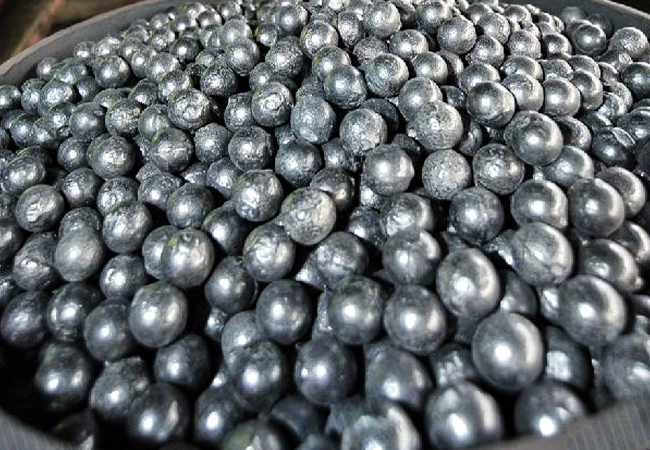
Chrome alloy casting balls are grinding media produced by pouring molten iron-chromium alloy into molds, then subjecting the solidified castings to controlled heat treatment processes to achieve target hardness and microstructural properties. Unlike forged steel balls, which are shaped under mechanical pressure from heated billets, cast balls derive their shape entirely from the mold cavity, allowing complex alloy compositions to be used that would be difficult to forge. The resulting spheres are deployed inside rotating ball mills, SAG mills, rod mills, and similar comminution equipment to crush and grind ore, cement clinker, coal, and other industrial materials through repeated impact and abrasion.
The inclusion of chromium as the primary alloying element is the defining technical feature of this product category. Chromium forms hard carbide phases — primarily chromium carbide (Cr₇C₃ and Cr₂₃C₆) — distributed throughout the iron matrix during solidification. These carbides are significantly harder than iron carbides formed in standard cast iron, giving chrome alloy balls superior resistance to both abrasive wear and impact fracture compared to low-alloy or unalloyed cast iron alternatives. The ability to tune chromium and carbon content across a wide range allows manufacturers to engineer balls for specific combinations of hardness, toughness, and corrosion resistance demanded by different milling environments.
The Manufacturing Process: From Melt to Finished Grinding Ball
The quality of a chrome alloy casting ball is determined as much by the manufacturing process as by the alloy composition. Understanding the production sequence helps procurement engineers evaluate supplier capability and identify where quality deviations are most likely to originate.
Melting and Alloying
Chrome alloy casting balls are produced in electric induction furnaces or electric arc furnaces, which offer precise temperature control and enable accurate alloy addition sequences. Ferrochrome, high-carbon ferrochromium, and other master alloys are charged into the melt along with steel scrap and pig iron to achieve target chromium levels — typically 1–3% for low-chrome grades and 10–30% for high-chrome grades. Carbon content is controlled within tight bands because the carbon-to-chromium ratio determines which carbide phases form and in what proportion. Melt temperature and holding time before pouring are carefully controlled to ensure uniform alloy distribution and avoid segregation.
Casting and Solidification
Molten metal is poured into permanent metal molds or sand molds shaped to produce balls of a specified diameter, with a small allowance for finishing. Permanent mold casting — the more common method for high-volume production — uses metal die sets that are preheated to controlled temperatures, enabling consistent cooling rates and reproducible microstructures from ball to ball. Rapid solidification at the ball surface creates a fine-grained, hard outer zone, while the interior cools more slowly and may have a slightly different microstructure. Controlling this solidification gradient is critical to achieving through-hardness in large-diameter balls where the center cooling rate is inherently slower.
Heat Treatment
As-cast chrome alloy balls contain retained austenite and residual stresses from non-uniform cooling that reduce hardness and increase brittleness. Heat treatment transforms the microstructure into a more stable, harder configuration. High-chrome balls are typically austenitized at 950–1050°C, then air-quenched or oil-quenched to convert austenite to martensite, followed by a tempering cycle at 200–350°C to relieve quench stresses and improve toughness. The resulting microstructure — martensite matrix with dispersed chromium carbides — delivers the combination of high surface hardness and adequate core toughness that defines quality chrome casting balls.
Chrome Alloy Casting Ball Grades: Low-Chrome vs. High-Chrome
The industry broadly divides chrome alloy casting balls into two major categories based on chromium content, each suited to different operating environments and cost-performance requirements.
| Property | Low-Chrome (1–3% Cr) | Medium-Chrome (5–8% Cr) | High-Chrome (10–30% Cr) |
| Hardness (HRC) | 45–53 | 53–60 | 58–68 |
| Wear Resistance | Moderate | Good | Excellent |
| Impact Toughness | Higher | Moderate | Lower (requires proper heat treatment) |
| Corrosion Resistance | Low | Moderate | Good to Excellent |
| Typical Applications | Coal mills, soft ore grinding | Cement mills, general mineral processing | Hard rock mining, gold, copper, iron ore |
| Relative Cost | Lower | Medium | Higher |
High-chrome balls with 18–28% chromium content represent the premium end of the cast ball market. At these chromium levels, the carbide phase becomes predominantly Cr₇C₃, which has a Vickers hardness of approximately 1,600–1,800 HV — roughly twice the hardness of iron carbide (Fe₃C) found in low-alloy cast iron. This translates directly into dramatically lower wear rates in abrasive grinding environments, with high-chrome balls typically lasting two to four times longer than equivalent-size low-chrome balls in hard rock milling applications.
Key Performance Parameters and How to Evaluate Them
When specifying or evaluating chrome alloy casting balls, several measurable performance parameters determine suitability for a particular mill. Each parameter should be supported by test documentation from the supplier rather than accepted on specification claims alone.
- Surface hardness (HRC): Measured using a Rockwell hardness tester on the ball surface. Should meet the grade specification minimum — typically ≥60 HRC for high-chrome balls — and be tested on a statistically meaningful sample from each production batch.
- Through-hardness (core hardness): Critical for larger ball sizes (≥80mm). A ball that is hard on the surface but soft in the core will fracture under impact loads as the worn outer zone is consumed. Core hardness should be measured on a sectioned ball from each diameter range.
- Impact fatigue resistance: Assessed by drop ball testing — repeatedly dropping a ball from a fixed height onto a hardened steel anvil and counting cycles to first crack or fracture. Minimum 10,000–20,000 cycles without fracture is a typical specification for high-chrome balls used in SAG mill applications.
- Breakage rate in service: Tracked operationally as the percentage of broken balls recovered in mill surveys. A breakage rate above 1% typically indicates a toughness deficiency — either in alloy composition, heat treatment, or the presence of casting defects such as shrinkage porosity or cold shuts.
- Wear rate (grams per tonne of ore ground): The ultimate economic measure of ball performance. Established through controlled mill trials comparing consumption rates of test balls against the current benchmark product under identical milling conditions.
- Roundness and dimensional tolerance: Out-of-round balls cause uneven wear patterns, increased mill vibration, and premature liner damage. Quality suppliers specify diameter tolerance of ±1–2% and provide measurement records for each size produced.
Application-Specific Selection: Matching Ball Grade to Mill Conditions
Selecting the appropriate chrome alloy casting ball grade requires a systematic evaluation of the milling environment rather than defaulting to the hardest available option. Higher hardness does not universally deliver better performance — in high-impact environments, insufficient toughness leads to ball fracture that increases total grinding media consumption and can damage mill liners.
Cement and Clinker Grinding
Cement ball mills operate with relatively low impact energy but high abrasion intensity, particularly in the fine grinding second chamber where ball sizes are small (17–40mm) and grinding is predominantly attrition-based. Medium to high-chrome balls (10–18% Cr) with hardness of 60–65 HRC are well suited to this application. The corrosive alkaline environment of cement milling also benefits from the moderate corrosion resistance of chrome alloys compared to plain cast iron. Many cement producers use high-chrome balls throughout both chambers, accepting the higher unit cost in exchange for reduced consumption frequency and lower maintenance downtime.
Hard Rock Mining: Gold, Copper, and Iron Ore
Primary ball mills and SAG mills in metalliferous mining are among the most demanding environments for grinding media. Large ball sizes (80–150mm) absorb significant impact energy from ore chunks, while highly abrasive silica and iron oxide minerals drive rapid surface wear. High-chrome balls with 18–28% chromium, hardness of 62–67 HRC, and verified through-hardness are the standard specification for primary grinding in these applications. The slurry chemistry — particularly pH — also influences material selection: acidic slurries (pH 4–7) accelerate corrosive wear on low-chrome grades, making high-chrome alloys with their passive oxide surface layer the economically superior choice even at higher purchase price.
Coal Power Plant Mills
Coal pulverizers operate at relatively low impact energies with moderately abrasive material. Low to medium chrome balls (1–8% Cr) are commonly specified, balancing adequate wear resistance against the lower cost appropriate for this less demanding application. Where coal contains high ash content with hard mineral inclusions, upgrading to medium-chrome grades delivers measurable reductions in specific ball consumption without the cost premium of full high-chrome specification.
Quality Standards and Supplier Evaluation Criteria
The global chrome alloy casting ball market includes suppliers across a wide quality spectrum. Distinguishing reliable, high-quality producers from those offering substandard products requires evaluating several supplier-side factors in addition to product test data.
- Compliance with international standards: Quality chrome alloy casting balls should comply with standards such as ISO 3290 (dimensional tolerances for balls), AS2074 (Australian standard for cast grinding media), or equivalent national standards. Suppliers should provide certificates of conformance referencing the applicable standard for each shipment.
- Chemical composition certification: Each production batch should be accompanied by a mill certificate showing actual chemical analysis — not just nominal ranges — for chromium, carbon, silicon, manganese, and other alloying elements, verified by spectrometric analysis.
- Hardness test records: Batch hardness testing results, including both surface and core measurements for relevant sizes, should be available as standard documentation rather than provided only on request.
- Production volume and consistency track record: Suppliers with stable, high-volume production typically maintain tighter process control than low-volume producers. References from comparable end-use applications — same mill type, ore, and ball size — are the most relevant evidence of consistent quality in service.
- Packaging and handling: Chrome alloy casting balls should be supplied in steel drums, bulk bags, or wooden crates appropriate to the ball size, with packaging that prevents mechanical damage and moisture ingress during transit and storage. Damaged or rusted balls on delivery indicate inadequate quality management in the supply chain.


