Material Selection for Grinding Balls in Mining and Cement Applications
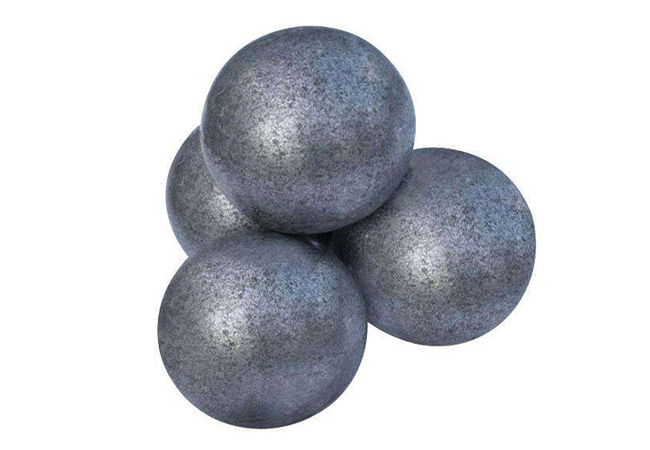
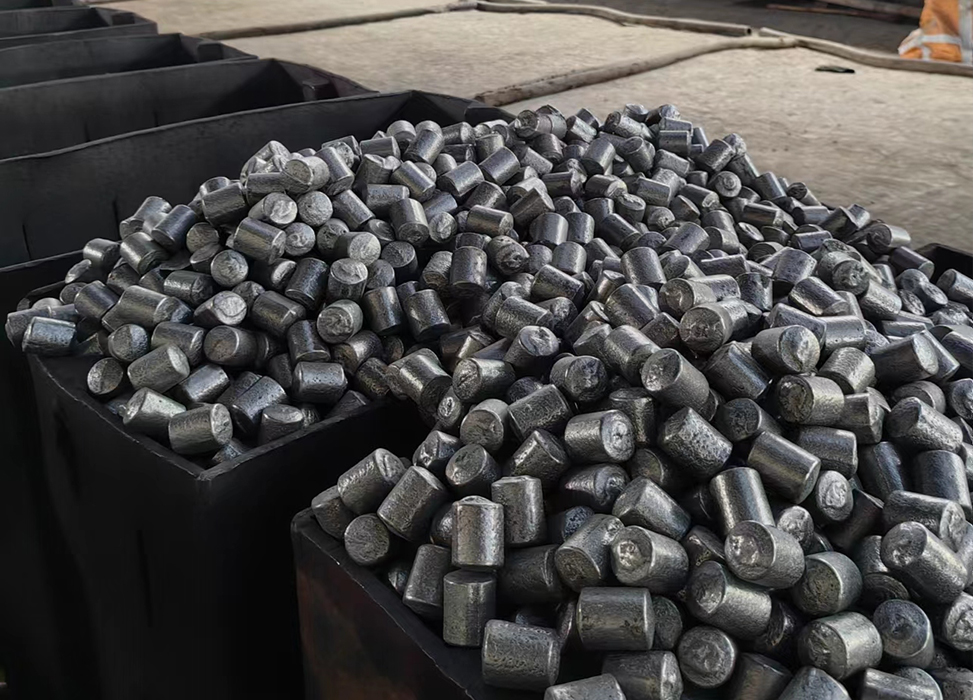
Grinding balls used in mining and grinding ball for cement plant must balance hardness, toughness, and wear resistance. High-carbon steel alloyed with chromium and molybdenum is commonly used to resist abrasive wear, while maintaining sufficient impact resistance to prevent fracturing. Chromium content between 1.5% and 3.0% ensures formation of hard carbides, improving wear resistance, while moderate manganese addition enhances toughness under high-impact conditions.
Optimizing Ball Size Distribution for Efficient Grinding
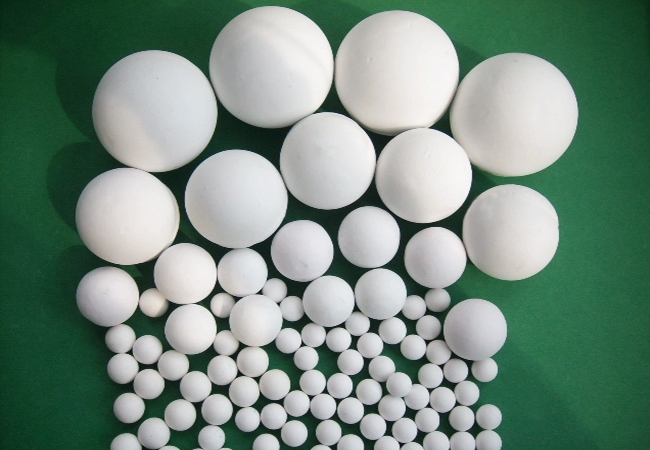
Selecting the correct size distribution of grinding media is essential for operational efficiency. Larger balls are better suited for coarse grinding, while smaller balls increase contact points for fine grinding. A typical strategy is to use a mixed-size charge to maintain consistent particle size reduction and improve mill throughput. Monitoring the wear pattern allows for timely adjustment of ball sizes to optimize grinding performance.
Comparative Table of Grinding Media for Mining vs Cement Plants
| Application |
Preferred Media Type |
Key Considerations |
| Mining |
High-chromium steel balls |
High wear resistance for ore with variable hardness |
| Cement Plant |
Forged steel balls or cast grinding media |
Good impact toughness, optimized for clinker grinding |
Wear Mechanisms and Monitoring of Grinding Media
Wear patterns in grinding balls vary with application and material hardness. Abrasive wear is dominant in cement clinker grinding, whereas a combination of impact and abrasion is common in mining. Regular monitoring of wear through diameter measurements and visual inspection allows for predictive maintenance and prevents premature failure. Surface cracking or spalling indicates excessive impact stress, requiring adjustment in ball size or composition.
Maintenance and Replacement Strategies for Grinding Media
Extending the service life of grinding media requires systematic replacement and maintenance practices. Effective strategies include:
- Replacing worn balls before excessive diameter reduction affects grinding efficiency.
- Rotating or redistributing ball charge to reduce uneven wear in the mill.
- Maintaining a consistent hardness profile to prevent early spalling or fracturing.
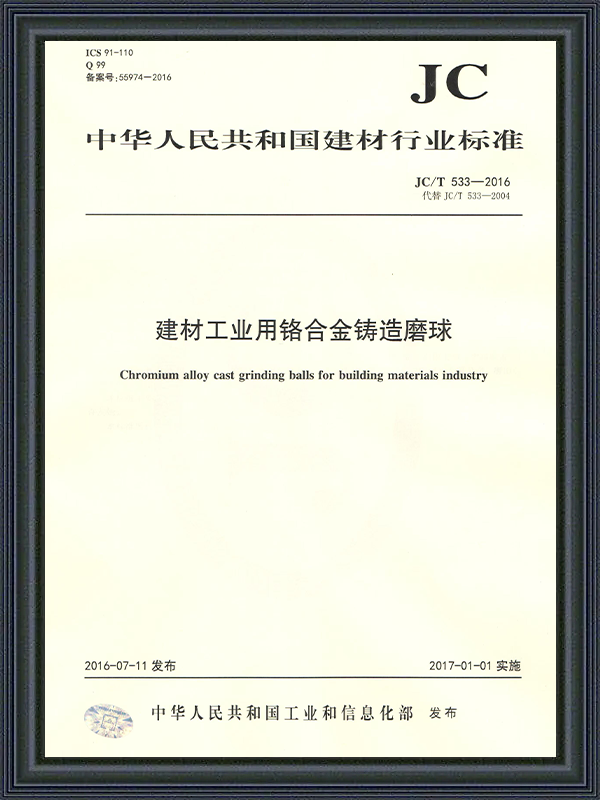
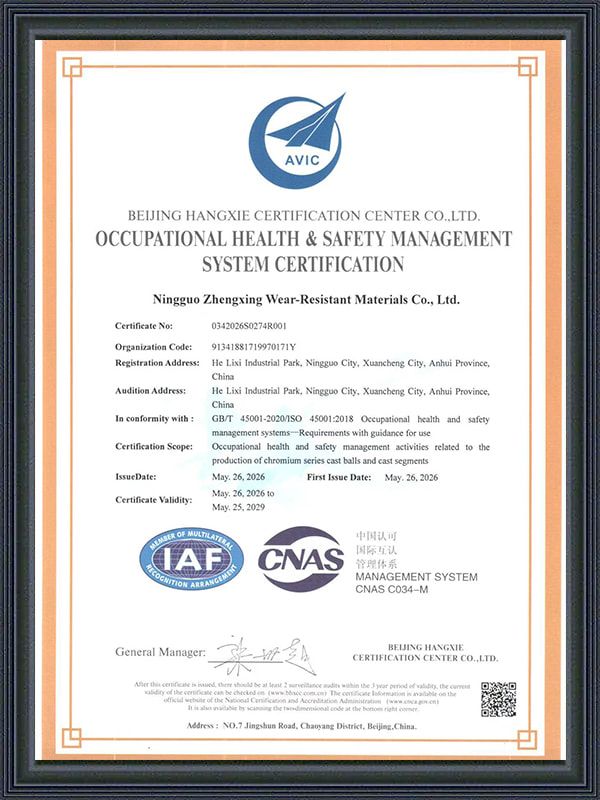
Quality Control Measures in Grinding Media Production
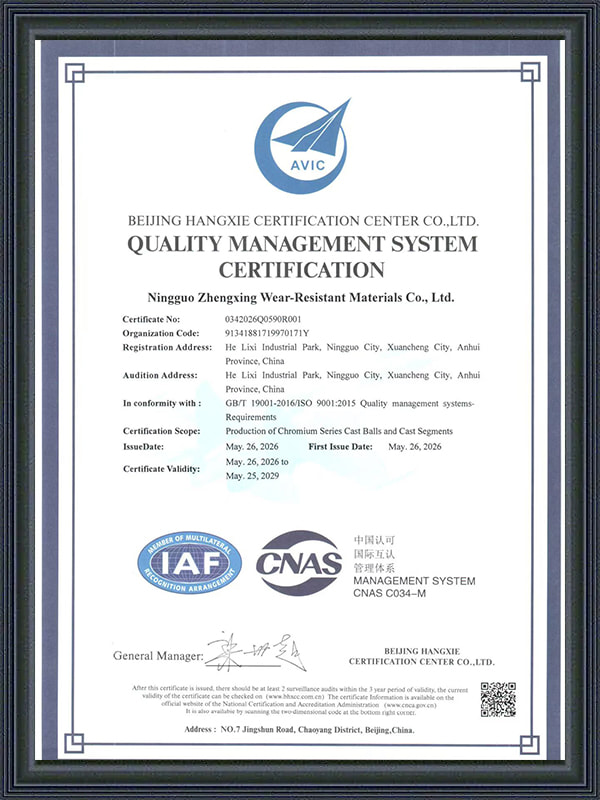
Consistent quality of grinding balls is crucial for operational efficiency. Key control measures include:
- Chemical composition testing using spectrometry to ensure alloy uniformity.
- Hardness testing across multiple points to verify consistent performance.
- Microstructural analysis to confirm carbide distribution and absence of internal defects.
 +86-563-4308666

 Eng
Eng
 Español
 Français